
And it is actually the role of line managers to do this as part of their work in delivering business plans and continually improving their business.
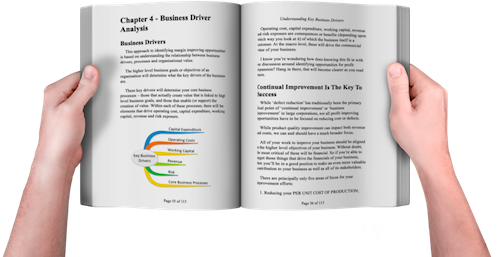
Each of the chapters describes in detail a method of project identification that suits various contexts and work situations.
It covers all aspects of the topic of project selection - the thinking that gets in the way of improvement, various methods of identification, how to screen projects and make a selection, and thoughts about selling and managing projects.
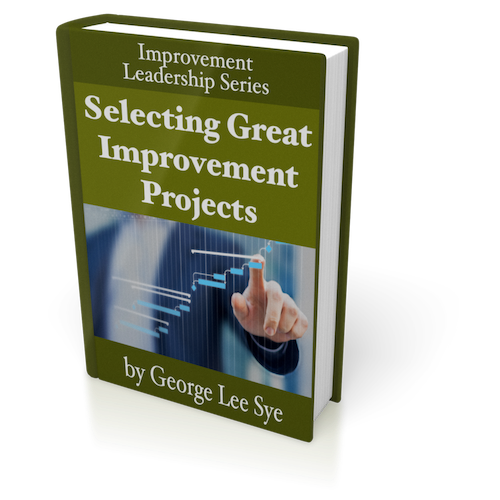
This is a 113-page guide to the most practical ways of identifying and selecting improvement projects that add real value.
It is a book relevant to the work of every line manager and business improvement professional today.
- Shifting focus from solution thinking to waste thinking
- Why there is no single best way to approach project selection
- Basic 6-step process of identifying project
- Waste reduction approach
- Value stream method
- Business driver method
- Constraint analysis approach
- Customer related performance approach
- Top down versus bottom up
- Screening and selecting projects
- Selling and managing projects
Firstly, it was written by a real world practitioner.
The author wrote this on the back of more than two decades of experience in identifying value adding project work across multiple industries.
Secondly, it is simple and practical.
Each of the approaches here are practical and relevant to all organisations intent on continually improving and connecting this work to the execution of business plans. They are not theoretical concepts.
Thirdly, there is no one best approach.
With a deep understanding that contexts and situations differ widely, the author has assembled a range of approaches that will suit most situations you find yourself in.